Selling IPL Hair Removal Devices in the US and EU: A Compliance Checklist for Brands
What brand owners and importers need to check before selling at-home IPL hair removal devices in the United States and the European Union.
By Lilio · 2026-11-03
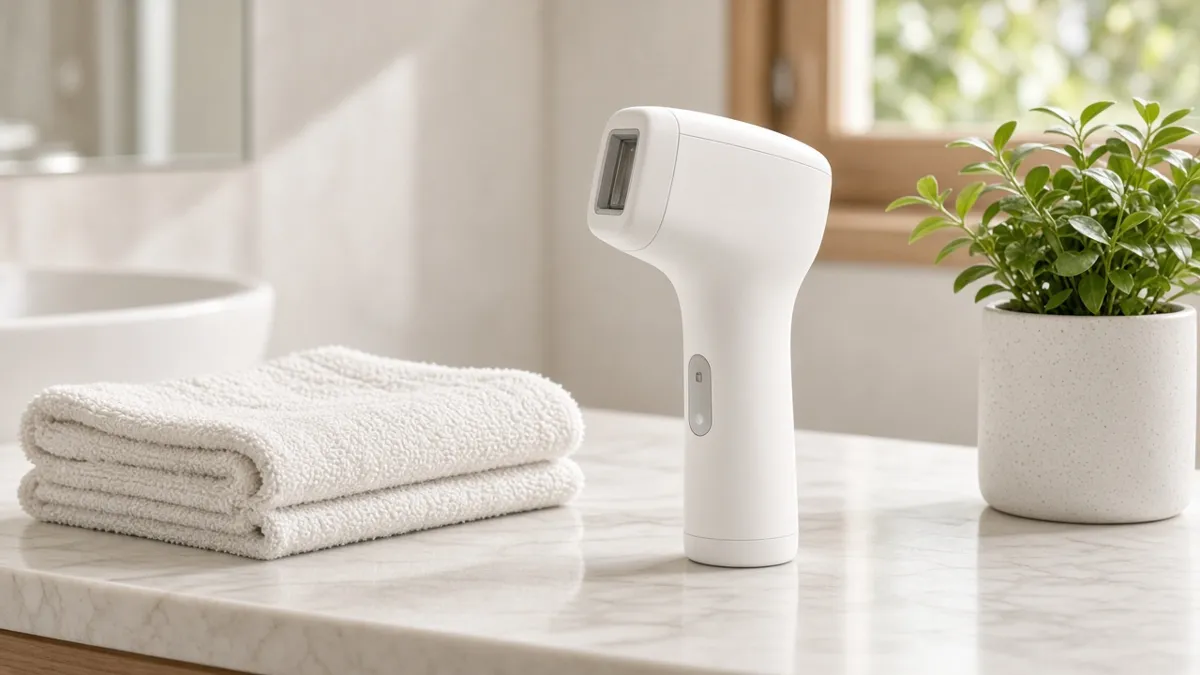
At-home IPL (intense pulsed light) hair removal is one of the most popular private-label beauty device categories. It is also one of the most regulated. This guide is a starting checklist for brand owners and importers. It is not legal advice; confirm the requirements for your exact product and market with a regulatory consultant.
Who is responsible?
In both the US and the EU, the company that places the product on the market under its own name – usually the brand owner or importer – carries the regulatory responsibility. A supplier can provide technical documentation and test reports, but a certificate issued for another company’s model does not automatically cover your branded product.
United States
- Classification. Over-the-counter light-based hair removal devices are generally Class II medical devices in the US (regulation 21 CFR 878.4810, product code OHT in the FDA classification database).
- 510(k). A Class II device usually needs a 510(k) premarket notification showing substantial equivalence to a legally marketed predicate device. Check whether the exact device, with your labelling, is covered by an existing clearance and who holds it.
- Establishment registration and device listing are required for the relevant companies in the supply chain.
- Labelling and claims. Use only the indications stated in the clearance. “Permanent” hair removal claims are a common problem; “long-term hair reduction” is the usual wording.
- EMC / FCC. The electronics also need to meet FCC Part 15 requirements for unintentional radiators.
European Union
- MDR Annex XVI. Equipment emitting high-intensity light (including IPL) for hair removal is listed in Annex XVI of the Medical Device Regulation (EU) 2017/745, even though it has no medical purpose. These products must meet the common specifications in Implementing Regulation (EU) 2022/2346.
- Conformity assessment for Annex XVI products may require a notified body, depending on the risk class and the transition rules. Plan for this early – notified body capacity is limited.
- Other directives. CE marking for the product also involves EMC (2014/30/EU) and RoHS (2011/65/EU). If the product falls under the MDR, the electrical safety requirements are handled within the MDR conformity assessment.
- UK. Great Britain has its own rules (UKCA / UK MDR). Check them separately.
What to ask your supplier
- Which test reports exist for the exact model, voltage and adapter you will sell?
- Who is named on each certificate, and does the model number match?
- Can the supplier support a technical file (risk analysis, IEC 60335 / IEC 60601 / IEC 62471 photobiological safety test reports, user manual)?
- Is the user manual written with contraindications, skin-tone and hair-colour guidance and eye-safety warnings?
How LilioBeauty handles IPL models
Our IPL models (LL6021, LL6003, LL6019) are supplied for wholesale and private label. Their product pages list the specifications we can verify and say which documents are available. Market registration for your brand remains your responsibility. Tell us your target market when you enquire and we will share the documents we hold.
Sources
General information for trade buyers, not legal or regulatory advice.
Related models
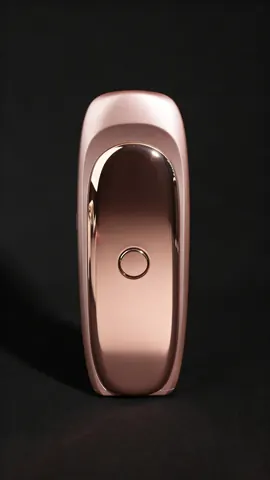 LL6021
Silk Pro Sapphire Ice-Cool IPL Hair Removal Device
- Sapphire ice-cool contact window helps keep each flash comfortable (cooling can be switched on/off)
- 10 adjustable energy levels, 7J–15J, so you can start gentle and build up
- Manual single-flash or auto-flash glide mode for larger areas
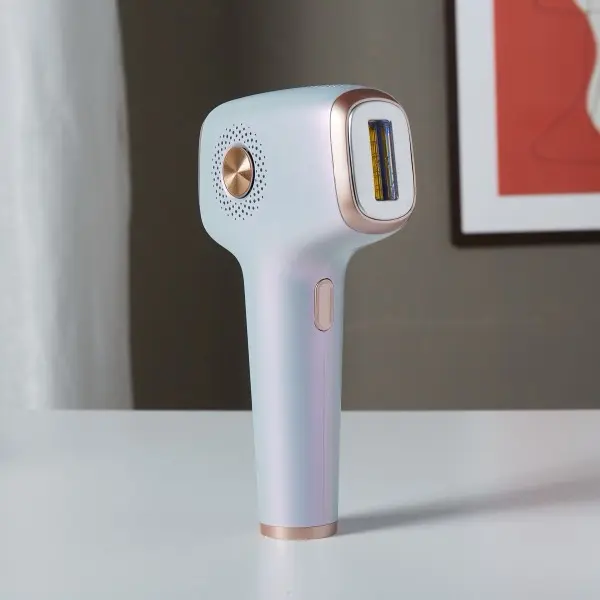 LL6003
Silk Ice IPL Hair Removal Device with Dual Heads
- Ice-compress head helps keep flashes cool and comfortable
- 9 intensity levels, up to 15J
- Magnetic swap heads: large for body, small for underarm and lip
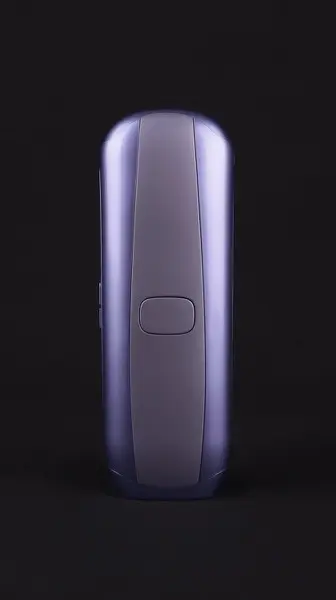 LL6019
Silk Duo Dual-Lamp Sapphire IPL Hair Removal
- Twin quartz lamps for faster flashing (0.3–4.1 s interval)
- Sapphire + semiconductor cooling, ~10 ℃ contact surface
- Wide 0.8–23.6J range across 5 levels, including higher energy for coarser hair